
The Honest Lie: Why Placebos Work Even When You Know They're Fake
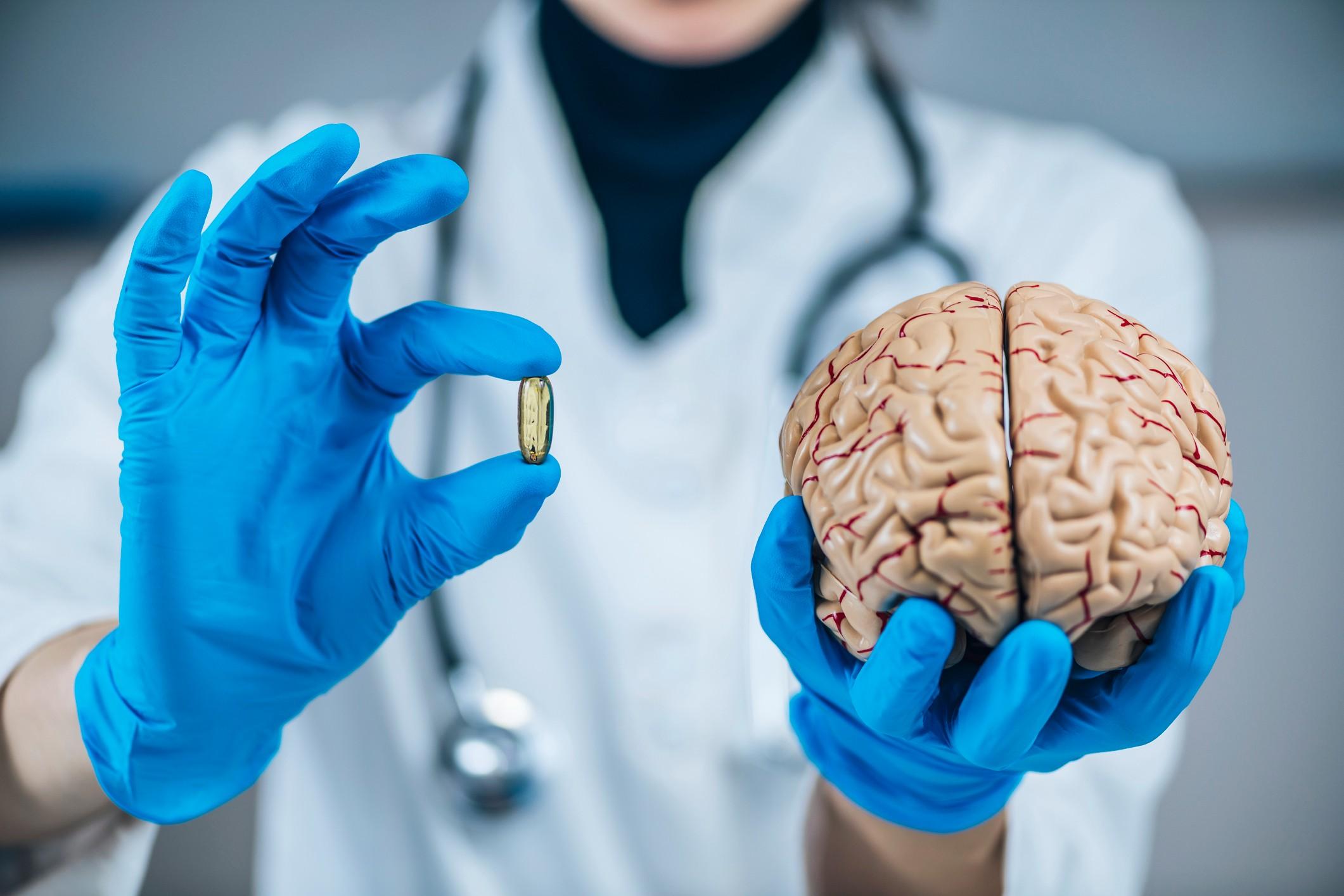

For most of medical history, the placebo effect was treated as a problem to solve. Doctors and researchers saw it as a confound—something to control for, not something to use. The whole effect was supposed to depend on deception. If you knew the pill was fake, the magic was supposed to vanish. But in recent years, a strange and stubborn finding has forced a rethink: placebos still work even when patients are told outright that they're taking a placebo. No deception. No clever framing. Just a sugar pill, honestly labeled, producing real measurable effects.
This shouldn't make sense. And yet it keeps happening, in study after study, across conditions ranging from chronic pain to depression to irritable bowel syndrome. What feels like a contradiction turns out to be one of the most revealing windows into how the body and mind actually interact. And once you understand the mechanics, the placebo effect stops being a punchline—and starts looking like a real, usable feature of human biology.
Why Honest Placebos Shouldn't Work, But Do
If you've ever heard about the placebo effect, you probably learned the standard explanation: people get better because they believe they're getting real treatment. The belief drives the response. Take away the belief, and the effect disappears.
That story turns out to be wrong—or at least incomplete.
In a now-famous 2010 study at Harvard Medical School, researcher Ted Kaptchuk gave patients with irritable bowel syndrome pills clearly labeled "placebo." He told them outright: these are sugar pills with no active ingredient. Take them twice a day.
The patients improved anyway. Significantly. More than the no-treatment group.
This wasn't a fluke. The study has since been replicated for chronic lower back pain, migraines, cancer-related fatigue, ADHD, and major depression. The effect, called open-label placebo, is real and surprisingly robust.
The question is: why?
The Body's Built-In Pharmacy
To understand open-label placebos, you have to understand that the body produces its own medication.
Your brain has internal systems that release endorphins, dopamine, serotonin, and other neurochemicals in response to specific cues. These aren't just feel-good chemicals—they directly affect pain, inflammation, mood, immune function, and digestion.
When you take a real painkiller, part of how it works is by triggering or amplifying systems your body already has. The painkiller doesn't bring relief from outside—it activates relief from inside.
Placebos appear to activate some of those same systems, just through a different door. The expectation, the ritual, the act of taking something—each of these can trigger real physiological responses.
It's not "all in your head." It's in your bloodstream, your nervous system, and your immune response.
Why the Ritual Matters
One of the strongest predictors of placebo response isn't belief—it's the ritual of treatment.
Walking into a clinic. Talking to a professional. Receiving a pill in a clearly labeled bottle. Taking it on a schedule. Tracking how you feel.
These actions, repeated over time, create a pattern your body learns to respond to. Researchers call this conditioning, and it works similarly to how Pavlov's dogs learned to salivate at the sound of a bell.
Your body has been conditioned, over a lifetime of taking real medicine, to respond physiologically when you take a pill. That response doesn't fully turn off just because the current pill is fake.
This is why the format of the placebo matters. Pills work. Injections work even more strongly. Branded packaging works better than plain. Two pills work better than one. The ritual itself is part of the medicine.
The Role of Expectation
Expectation still plays a role, but it's more subtle than the old "belief" model suggested.
Open-label placebo studies typically include a careful explanation. Patients are told that the pill is inert—but also that placebo effects are powerful, that the body has natural healing responses, and that taking the pill regularly may help activate those responses.
This framing matters. Patients don't have to believe the pill is real medicine. They just have to believe that the process might help.
This is sometimes called expectancy without deception. You're not lying to the patient. You're telling them the truth about how their own biology works—and inviting them to participate in it.
The result is a kind of self-aware healing. The patient knows the pill is sugar. They take it anyway. And their body responds.
Why This Doesn't Work for Everything
It would be wonderful if open-label placebos cured everything. They don't.
The conditions where placebo effects are strongest tend to share a few features.
They involve subjective symptoms—pain, fatigue, nausea, mood. These are heavily mediated by brain processes that placebos can influence.
They involve self-regulating systems—digestion, sleep, anxiety. These respond to internal signals that placebos can shift.
They have a meaningful psychological component. Stress, attention, and emotion modulate the symptoms.
Open-label placebos don't shrink tumors. They don't cure infections. They don't lower blood sugar in diabetes. The body's pharmacy has limits.
But within the conditions where the body's own systems play a major role, the effects can be substantial—sometimes comparable to active medications.
The Brain Imaging Evidence
Skeptics initially suspected open-label placebo effects were just reporting bias—patients saying they felt better because they wanted to be polite to researchers.
Brain imaging studies have undercut that explanation.
When patients receive placebos for pain, fMRI scans show reduced activity in pain-processing regions of the brain. When they receive placebos for Parkinson's symptoms, scans show actual increases in dopamine release. When they receive placebos for depression, brain activity patterns shift in ways that mirror real antidepressants.
The relief isn't imagined. It's measurable in the same neural systems real treatments target.
This is part of why the field has shifted from asking "is the placebo effect real?" to "how can we use it ethically?"
What This Means for Medicine
The implications are still being worked out, but they're significant.
If placebos can produce real effects without deception, doctors don't have to choose between honesty and helpfulness. The ritual of care—attentive listening, clear explanations, structured follow-up—may itself be therapeutic, separate from any specific treatment.
This is sometimes called the therapeutic relationship effect, and it's been shown to influence outcomes across nearly every area of medicine. A doctor who explains things clearly, expresses warmth, and follows up consistently produces better outcomes than one who doesn't—even when the underlying treatment is identical.
Medicine isn't just biology. It's a relationship that activates biology.
Why You Can't Easily Use This on Yourself
A common follow-up question: can you give yourself an open-label placebo? Just take a sugar pill and tell yourself it'll help?
Sort of. But the effect is weaker without the structure.
Open-label placebos seem to work best when there's a relationship behind them—a researcher, a doctor, a clinical setting. The ritual matters. The framing matters. The other person matters.
This suggests the placebo effect isn't purely individual. It's relational. The body responds not just to pills, but to the whole context of being cared for.
Which means you can't fully replicate it alone. But you can lean into related effects: structured routines, intentional rituals, supportive relationships, and clear self-narratives about what your body is doing.
A Smarter Way to Think About Healing
When you understand what placebos actually reveal, your view of healing shifts.
Focus on:
- Treating ritual and routine as part of treatment, not separate from it
- Valuing the therapeutic relationship as biologically real
- Letting expectation work for you without requiring belief
- Recognizing the body's internal pharmacy as a genuine resource
- Distinguishing between conditions placebos can help and ones they can't
The instinct to dismiss placebos as fake misses what they actually demonstrate. A mechanism-based view treats them as evidence of something powerful.
The Mind and Body Aren't Separate
For all the strangeness of open-label placebos, the deeper truth is straightforward. The body and brain aren't two systems that occasionally influence each other. They're one system, deeply integrated, constantly exchanging signals.
A pill is a pill. But a pill is also a context, a ritual, a relationship, and an expectation—and every part of that combination is processed by the body as information.
When you understand healing as a whole-system response rather than a chemical input, the placebo effect stops looking strange and starts looking inevitable.
And that's the shift: from seeing placebos as the absence of real treatment to seeing them as evidence that treatment was always more than chemistry.
Because once you understand what the body actually responds to, you stop drawing a hard line between mind and medicine—and start seeing the line was never really there.