
Two Languages, Two Selves: Why Bilinguals Feel Different in Each Language
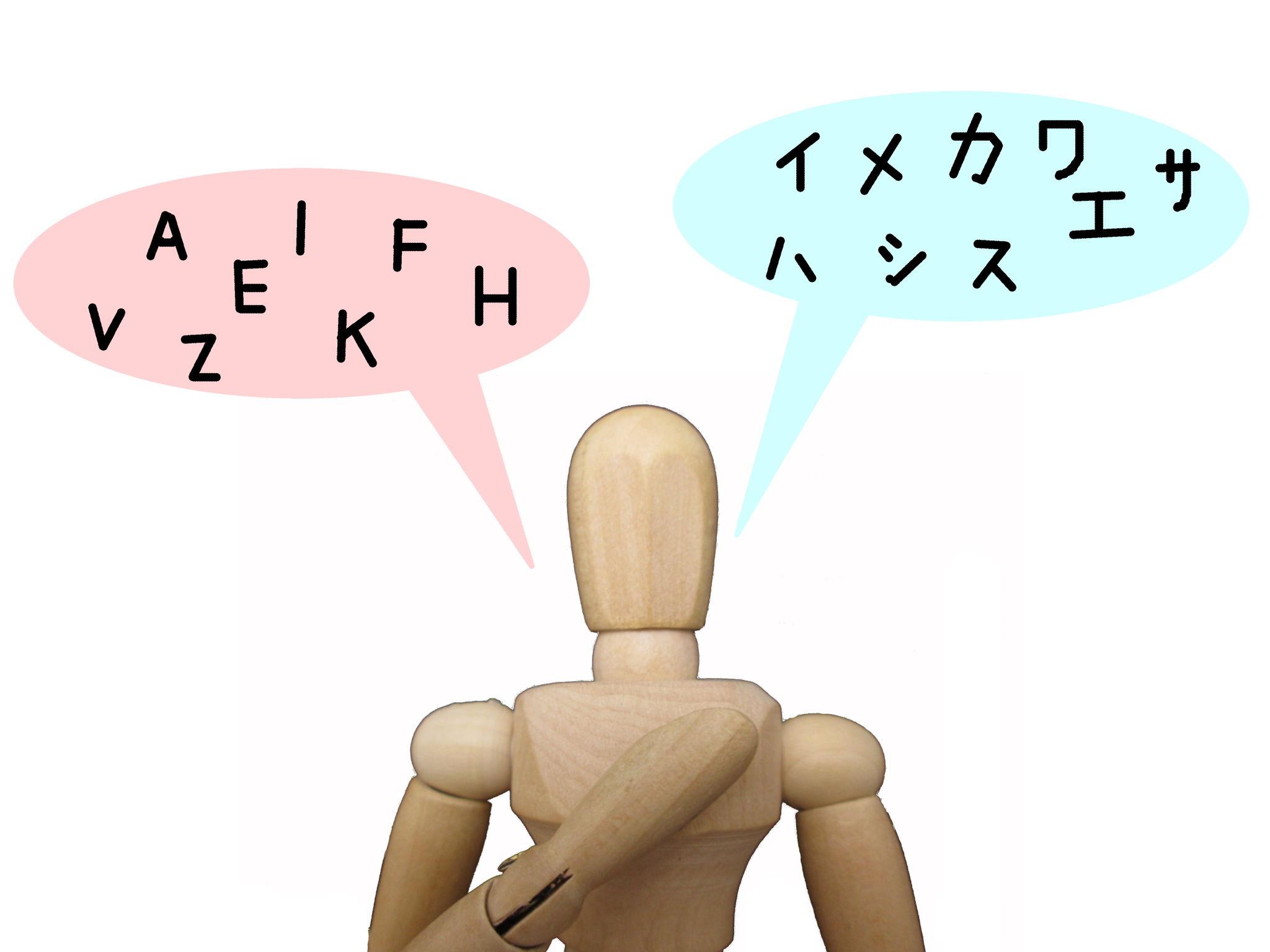

Ask any bilingual person if they feel like the same person in both their languages, and you'll often get a thoughtful pause—followed by a quiet "no." Some say they're funnier in one language. More direct in another. Warmer, colder, more confident, more reserved. For decades, this was dismissed as imagination, or maybe a kind of theatrical performance. But in recent years, researchers have started taking it seriously, and what they've found suggests that the experience is real—and rooted in how language actually shapes thought.
Bilinguals aren't pretending to be different people. Their brains are doing something genuinely distinct in each language. What feels like a personality shift is the surface effect of deeper changes in memory, emotion, and cultural framing. And once you understand the mechanics, the "two selves" feeling stops being mysterious—and starts revealing something profound about the relationship between language and identity.
Why Bilinguals Feel Different in Each Language
If you've ever spoken two languages with the same person and felt like a slightly different version of yourself in each one, that experience isn't imagined. Surveys of bilinguals consistently show that around two-thirds of them report feeling like a different person depending on the language they're using.
The differences aren't dramatic. Bilinguals don't switch into entirely new identities. But subtle traits shift—humor, warmth, assertiveness, formality, even values.
This phenomenon has a name in the research literature: cultural frame switching. And it's one of the most fascinating windows into how language and personality actually interact.
Language Carries More Than Words
Every language is embedded in a culture, and every culture carries its own emotional rules, social norms, and conversational rhythms. When you learn a language, you don't just learn vocabulary and grammar—you absorb an entire framework for how to behave within it.
A Spanish speaker might use warmer, more affectionate language by default. A Japanese speaker might lean toward indirectness and politeness. An English speaker might favor casual directness. None of these are personality traits in the speaker. They're features of the language itself.
When a bilingual switches languages, they're also switching frames. The new frame brings its own social cues, expected emotional range, and conversational style. The personality shift isn't fake—it's contextual.
The Sapir-Whorf Connection
The idea that language shapes thought goes back to linguists Edward Sapir and Benjamin Lee Whorf in the early 20th century. Their original strong claim—that language determines thought—has been largely abandoned. But a softer version, called linguistic relativity, has held up well.
Languages do influence how speakers categorize the world. Russian speakers, who have separate words for light blue and dark blue, distinguish between those shades faster than English speakers. Speakers of languages without grammatical gender think about objects differently than speakers of gendered languages.
These effects are subtle but real. And when you live in two languages, you live in two slightly different cognitive worlds.
Emotional Distance and the Foreign Language Effect
One of the most striking findings in bilingual research is what's called the foreign language effect. People tend to make more rational, less emotional decisions when thinking in a second language they learned later in life.
The reason appears to be emotional distance. Your native language is tied to childhood, family, and formative emotional experiences. Words like "love," "death," or your own name in your first language carry weight that the same words in a second language don't.
This is why bilinguals sometimes report that swearing feels more powerful in their native language, or that saying "I love you" in a second language feels easier—because the emotional charge isn't fully wired in.
It's also why some bilinguals say they feel more confident in their second language. The reduced emotional weight makes risk-taking feel lighter.
Memory Lives in the Language It Was Made In
Memory and language are tightly linked. Studies have shown that bilinguals recall events more vividly and accurately when they remember them in the language the experience originally happened in.
A Filipino-English bilingual remembering childhood in Tagalog will often surface different details—and feel different emotions—than when remembering the same period in English.
This is called language-dependent memory, and it suggests that language doesn't just describe experience. It encodes it.
When you switch languages, you're not just changing how you talk. You're partially changing which memories are most accessible, which feelings come up most easily, and which version of yourself feels most natural.
Why You Might Be Funnier in One Language
Humor is one of the most language-dependent traits, which is why so many bilinguals report being funnier in one language than the other.
Comedy depends on timing, cultural reference, wordplay, and rhythm—all of which are deeply tied to a specific language's structure. A pun that works in English often falls flat in translation. A joke format that lands in Spanish might feel awkward in Mandarin.
Beyond mechanics, humor also depends on confidence and instinct. Bilinguals often have better instinct for these in the language they grew up using socially.
If you feel less funny in your second language, it's not that your sense of humor is gone. It's that the language doesn't yet carry the same cultural and rhythmic ammunition.
The Late vs. Early Bilingual Difference
Not all bilinguals experience personality shifts equally. The age you learn a language matters.
Early bilinguals—people who grew up with two languages from childhood—tend to have more integrated identities across languages. The shifts exist but are usually subtle.
Late bilinguals—people who learned a second language as teenagers or adults—often report sharper personality differences. Their second language is wired more deliberately, learned in specific contexts (school, work, travel), and tied to a narrower emotional range.
This is why someone who learned French in adulthood might feel more "professional" or "cautious" in French, while their first language feels like home in every emotional sense.
What This Means for Language Learners
For learners, the personality-shift effect has practical implications.
If you're early in your language journey, the new language will feel emotionally thin. That's not a sign you're failing. It's the natural starting point. Emotional depth in a language develops with use, especially in personal and unscripted contexts.
The way to thicken a language emotionally is to live in it: have meaningful conversations, watch shows you cry or laugh at, write in it, fall in love in it if you can. Each emotional experience layers another wire of meaning into the language.
This is why immersion accelerates fluency in ways that classrooms can't. Classrooms teach a language. Life embeds it.
Identity Isn't Lost—It's Multiplied
The fear some bilinguals have is that switching languages means losing themselves. Research suggests the opposite. Speaking multiple languages doesn't fragment identity—it expands it.
Each language gives you another set of tools for thinking, feeling, and connecting. Each one opens a different relational world. The "different self" you feel in another language isn't a mask. It's a genuine extension of who you already are, shaped by the structures and culture of the language you're using.
In this sense, bilinguals don't have two selves. They have one self with two modes—each rich, each real, each useful in different contexts.
A Smarter Way to Live in Two Languages
When you understand what's actually happening when bilinguals switch languages, the experience becomes clearer.
Focus on:
- Recognizing that personality shifts are normal, not performance
- Building emotional depth in a new language through real experiences
- Using your second language's emotional distance when you need clarity
- Returning to your first language when you need to feel fully at home
- Treating each language as a different lens, not a different identity
The instinct to feel torn between languages misses the point. A frame-switching approach treats them as complementary.
Language Is Identity in Motion
For all the talk of "two selves," the deeper truth is that language has always been part of how humans become who they are. We don't just speak languages. We think through them, remember through them, and feel through them.
A bilingual person isn't living a double life. They're living a fuller one—shaped by every language they carry.
And that's the shift: from seeing language as a tool for communication to seeing it as a structure for identity.
Because once you understand what languages actually do, you stop wondering which version of yourself is real—and start realizing they all are.